Vehicle identity
Make, model, build year, powertrain, and brake package determine the pad compound, rotor size, sensor layout and the reset procedure the car needs.

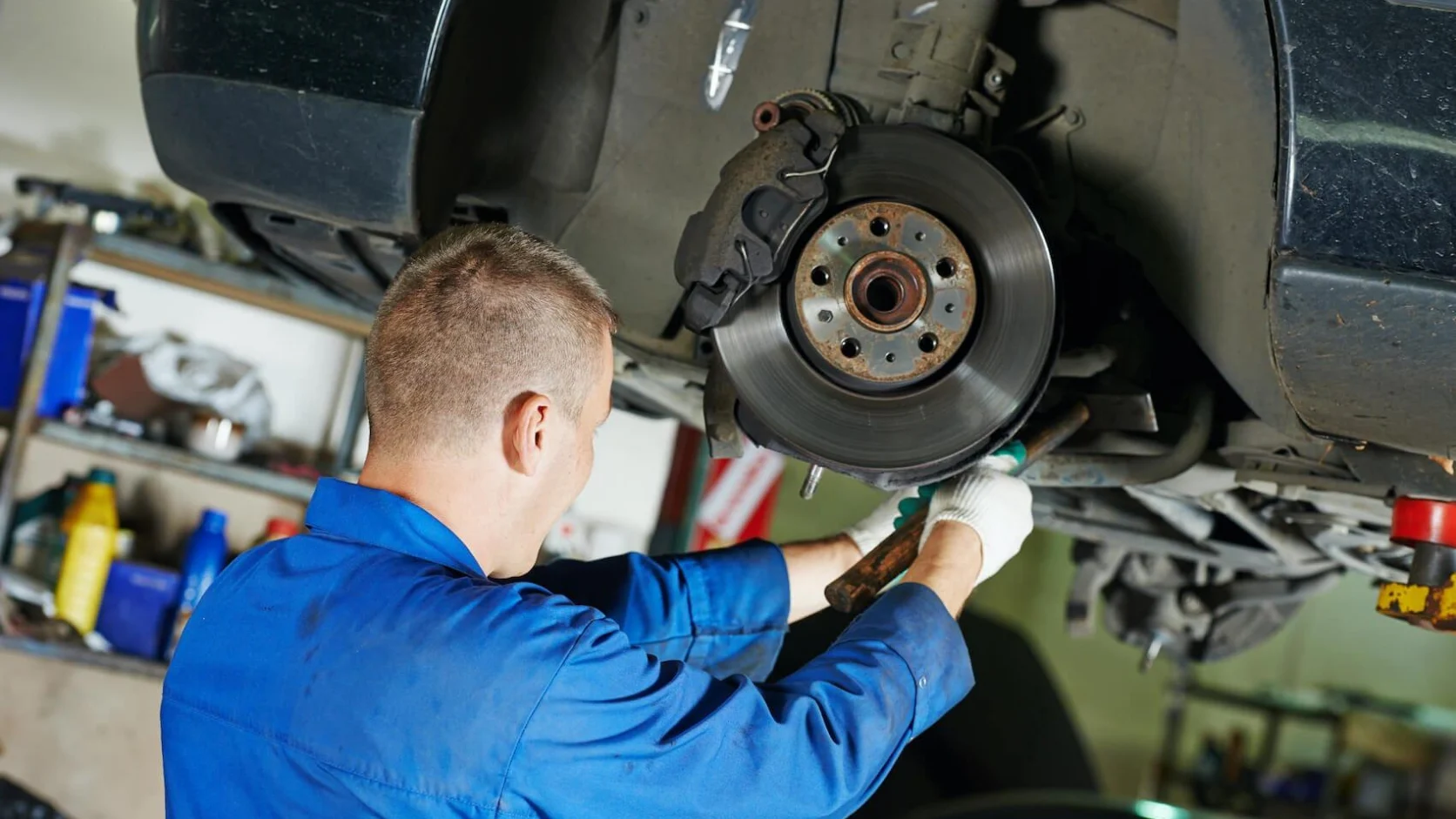
European brake specialists Melbourne. Inspection first, then a written repair scope.
Book brake repairs, brake pad replacement, rotor measurement and replacement, brake fluid service and electronic brake diagnosis for European and prestige vehicles in Melbourne. We assess the braking concern and the relevant components before confirming the repair scope, so the recommended work is based on the exact vehicle and the condition of its braking system, not an assumed pads-and-rotors package.
Car brake service Melbourne
A brake repair is not automatically a brake pad replacement. Squealing, grinding, vibration, pulling, a changed pedal and dashboard warnings each point to different parts of the braking system, and two of them can share a single cause. We identify the symptom, inspect the relevant components and measure actual wear before deciding what needs repair or replacement.
The right question is not “Do I need new brakes?” It is “What is causing the concern, and which components actually require attention?”
Make, model, build year, powertrain, and brake package determine the pad compound, rotor size, sensor layout and the reset procedure the car needs.
Pad thickness, rotor thickness against the manufacturer minimum, surface condition and brake-fluid moisture are measured rather than estimated from kilometres.
What you hear or feel, and when it happens, tells us where the inspection should start.
Brake, ABS, stability-control and pad-wear messages are copied exactly, because different warnings call for different checks.
Complete brake system servicing
The work depends on what the inspection finds. The written scope separates components that need attention now, parts that remain serviceable and faults that need further diagnosis.
Pads, rotors, callipers, hoses and brake-fluid condition may be assessed as relevant to the vehicle and the reported concern. Measurements can help determine whether components require attention before any recommendation is made.
The most common brake repair we quote in Melbourne, and still quoted after measurement. Pads are matched to the vehicle's friction specification and sensor layout. Wear sensors are replaced with the pads where the design requires it.
Rotor condition, wear and applicable service limits can be considered when deciding whether the rotor can remain in service or requires further work or replacement.
Calliper condition can be assessed where uneven wear, dragging, pulling, or other symptoms suggest a concern. If repair or replacement is required, it can then be included in the proposed scope.
Brake fluid condition and replacement requirements can be checked against the exact vehicle specification and available service history. Where replacement is required, the fluid should meet the applicable vehicle specification.
Flexible hoses and steel lines are checked for perishing, bulging, corrosion and leaks. A soft pedal is sometimes a hose problem rather than a fluid problem.
Available diagnostic information can help investigate brake, ABS and wear-sensor warnings and determine the appropriate next step.
The electronic parking brake is placed in service mode before rear pad work and reset afterwards. Systems that require recalibration after repair are calibrated before the road test.
Why a brake concern should not wait
Brakes usually give notice before they fail, and that notice is easy to live with for a while. Booking the inspection early is what keeps the repair small, the written price clear and the choice of components yours, and on Melbourne’s stop-start freeways and hill descents a brake concern rarely gets quieter on its own.
Book a brake inspectionPad thickness, rotor condition, moisture in the brake fluid and a slow-moving calliper all affect how the car pulls up, and they change gradually enough to feel normal. Measurement is what separates brakes with useful life left from brakes that are close to their limits.
Pads run well past the wear indicator can score or overheat the rotors behind them, and European wear sensors are usually renewed with the pads. Booking inside the warning window is what keeps a brake repair to the smaller of those two jobs.
Brake fluid absorbs moisture while it is in service, which is why many European maintenance schedules set a time-based replacement interval, and hoses and seals age on the same clock. A low-kilometre car used for short inner-suburb trips can still have brake items falling due.
Brakes checked while there is still pad life left leave room to read an itemised written price, order the correct components for the exact model and book a time that suits you, rather than taking whatever is available after a warning light appears.
Brake warning signs
These signs tell us where to start. None of them is a diagnosis until the car has been inspected and measured.
On many European cars, a persistent squeal is the wear indicator reaching the rotor. Glazed pads, loose hardware and light surface rust after a wet Melbourne night can sound similar. Noise that continues or changes is inspected, not assumed.
Grinding can indicate significant brake wear or unwanted contact between braking components. Because the extent of wear needs to be confirmed, it should be investigated promptly and driving kept to a minimum.
Brake rotor condition can contribute to vibration, and heat from long descents through the Dandenong Ranges or a Great Ocean Road weekend can make it more noticeable. Wheel balance, tyres and suspension can create similar symptoms, so inspection should confirm the source before rotors are replaced.
Moisture in the fluid, air in the lines, a perished hose, a sticking calliper, or uneven pad wear. Each affects stopping distance and is assessed straight away.
A warning light, a sudden change in pedal feel or severe brake noise should not be diagnosed from the symptom alone. Share the exact message and what the car is doing when you book, and tell us if you are unsure whether the car is safe to drive.
European & prestige brands serviced in Melbourne
Correct servicing starts with the manufacturer schedule, fluid specification and diagnostic system for your marque. Select your vehicle brand to start a tailored service or repair enquiry.
Melbourne driving conditions and your rights
Melbourne driving is hard on European brake systems in specific ways, and Victorian roadworthy rules treat brake defects seriously. You are also entitled to have the work done independently. Current ACCC guidance says consumers can choose an independent repairer and that manufacturers must make service and repair information available. The work still needs the right parts, fluid, procedures and records.
Read ACCC car guidanceThe Monash, Eastern and Tullamarine, Nepean Highway and Hoddle Street mean constant light braking. Rotors heat-cycle more often and pads wear faster than open-road driving would suggest.
Dandenong Ranges, Black Spur and coastal weekend drives put repeated heat into rotors and fluid. Repeated braking on longer or hilly drives can contribute to brake wear and may make existing brake vibration more noticeable.
Cars that sit, or only do short inner-suburb trips, form rust on rotor faces and seize slide pins and parking brake mechanisms. Hybrids and EVs that rely on regenerative braking can corrode rear rotors from lack of use.
Brakes are a listed item in a Victorian roadworthy inspection. Worn pads, scored rotors, leaking hydraulics or a parking brake that will not hold can fail a roadworthy certificate or attract a defect notice.
Retain the invoice showing the parts fitted, fluid specification, measurements and date. It supports warranty claims and the next buyer's confidence in the car.
Brake repair cost Melbourne
Brake pad replacement on one axle, pads with new rotors, a brake fluid service, a seized calliper or an electronic brake fault are different jobs at different prices, and on European cars the brake package can change between variants of the same model. These are the factors that move the number, and the figure you receive is itemised in writing after the brakes have been inspected and measured.
Rotor diameter, pad shape and calliper design can differ between variants of one model, so an M Sport, AMG, S line, JCW or Porsche performance brake package is not priced from the model name. The exact vehicle, build year and VIN are what make a brake quote accurate.
Front and rear brakes wear at different rates and are quoted per axle. Front pads only, rear pads with rotors, or both axles together are three separate prices, and the inspection identifies which of them the car actually needs.
Pad thickness, rotor thickness and surface condition, brake fluid, hoses, hardware and wear sensors are each assessed. The written scope separates the components that are due now from the ones being monitored, so the price covers confirmed work instead of an assumed package.
Genuine or equivalent components and brake fluid that meet the specification for your model. Where there is a choice between standard and performance parts, the options and the difference in price are explained before anything is ordered.
A brake or ABS warning light has to be read and interpreted before parts can be quoted, and the electronic parking brake on most modern European models must be placed in service mode and reset afterwards. That time is quoted, not assumed.
A cheaper brake quote often covers less work. Check whether it includes rotors, wear sensors, hardware and fluid, whether the rotors were measured, which electronic resets are included, and how anything found during the repair is approved and priced.
Brake repair process
Good brake work starts before the car arrives. Accurate details help us allocate time, source the right parts and avoid comparing quotes that cover different repairs.
The inspection identifies the concern. The written scope defines the work you approve.
Provide the make, model, year, powertrain, VIN or registration, the symptom and any dashboard message.
Pads, rotors, callipers, hoses and fluid are inspected, measured and scanned to identify what actually needs attention.
Included components, labour, resets and exclusions are set out in writing before repair work proceeds.
The approved work is completed, and applicable brake-system functions are checked as required. Any further findings can be discussed before additional work proceeds.
Book brake repair Melbourne
Use the booking form when the vehicle needs workshop time. Choose general enquiry for pricing questions, capability checks or help working out whether a symptom is urgent. Drivers come to us from across Melbourne.
Brake repair Melbourne FAQs
These answers explain how brake concerns are assessed and priced. The exact vehicle, its inspection findings and the written scope remain the relevant source for an individual booking.
It depends on the vehicle, the axle and what the inspection finds. Front pads on a mid-size sedan, pads and rotors on both axles, a fluid service or an electronic brake fault are very different jobs, and European brake sizes vary between variants of one model. We give you an itemised written price after measurement, so you are comparing like with like.
Brake repair Melbourne
Share the exact vehicle, what the brakes sound or feel like and any dashboard message so the workshop can confirm the repair scope in writing.